
Blacksmith Master Smelting Guide: Every Ingot Chain Explained
The full Blacksmith Master smelting chain for 1.0: iron, copper, silver, and gold ingots in three sizes, and which metals to mine versus buy.
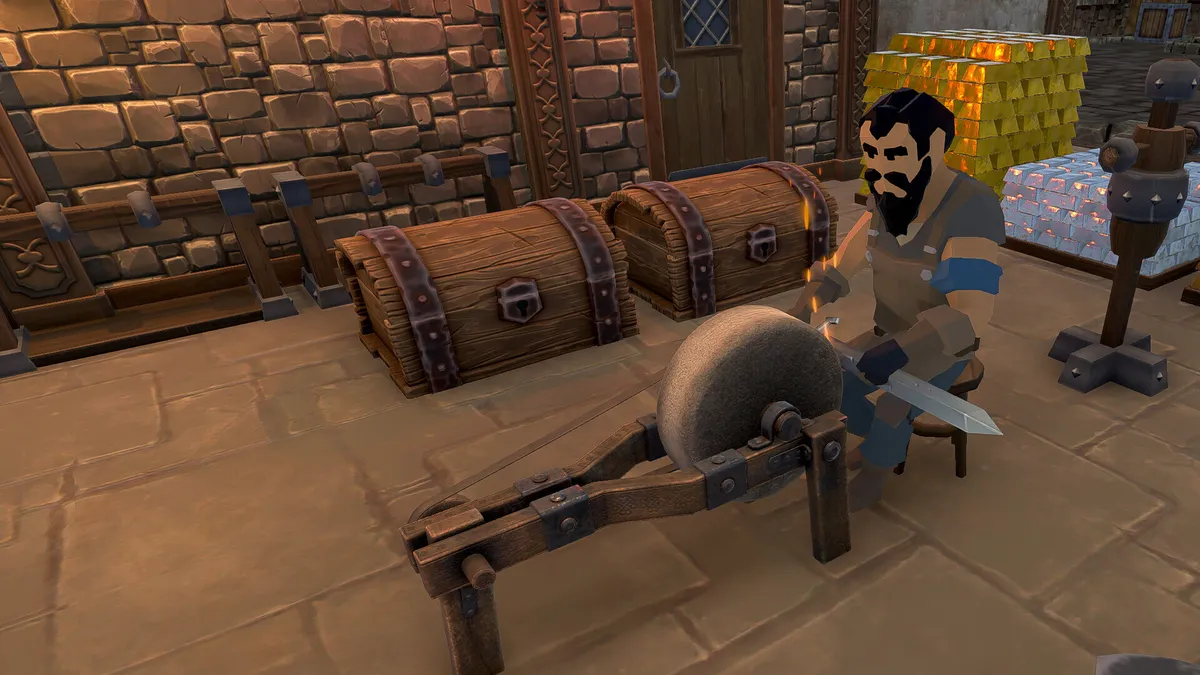
How does smelting work in Blacksmith Master?
Smelting converts raw ore into ingots through the Smelter station, unlocked via the Smelting 1 mastery node (150 points) after the Ore Crate. Each metal chain has three sizes — small, medium, large — and larger ingots feed the advanced blueprints that carry the game’s biggest price tags (the Soulblade family and royal-tier weapons need large steel and sterling silver). Your warehouse receives ore nightly from mines, or you buy ingots directly when desperate.
The four metal chains
| Metal | Source | Typical use |
|---|---|---|
| Iron | Iron Mine (mastery node) | The backbone: most weapons and tools |
| Copper | Copper Mine | Mid-tier goods, goblets, trade-route barter |
| Silver | Silver Mine / restock | Jewelry and sterling silver items |
| Gold | Gold Mine trade route | Bracelets, coins (minting, 1.0) |
Which metals should I mine, and which should I buy?
Mine iron and copper from day one — their forest-and-mine mastery nodes are cheap, and their daily deliveries outpace early demand. Buy silver sparingly until the Silver Mine opens; it exists for jewelry-tier items you will not mass-produce yet. Gold is a trade-route metal: the Gold Mine route trades finished goods (copper goblets, hunter’s bows) for ore in shipments of 15-120, unlocking after the relevant blueprints are known. The full shipment tables are on our trade routes page.
Smelter staffing: assistants, not blacksmiths
The classic early mistake is blacksmiths hopping between anvil and smelter. Assign assistants to the “craft ingots” duty once Smelting 1 opens — they gain 20 XP per ingot and keep your crafters hammering. Smelting assistants need their assignment pinned to a specific metal and size, and each variant needs its own ingot storage pallet, so plan wall space before you build six smelters. When a large shop’s queues outgrow tier-2 smelters, the 1.0 Master Assistant unlocks tier-3 smelters that carry a big shop’s load.
Storage is part of the chain
Every ingot type and size demands dedicated pallet space; a shop producing four metals at three sizes needs up to twelve pallets before jewelry and siege work enter the mix. Storage placement follows the same walking-distance rule as everything else — beside the smelters, against the wall, out of the doorway (our early layout guide has the floor-plan logic).
Smelting versus buying: the break-even
Bought ingots cost full price; smelted ingots cost ore plus assistant wages you are already paying. The moment a mine’s daily delivery covers your ore needs, buying ingots is lighting gold on fire — reserve purchases for outage emergencies and the pre-mine early game. Our early money guide folds this into the daily profit equation, and the mining guide covers the gatherer side that feeds the furnaces.
Related Articles
guides
Blacksmith Master Mining Guide: Ore, Stamina, and Gem Economics
How mining works in Blacksmith Master: mine unlocks, miner stamina shifts, pickaxe production, and how the Master Miner turns mining into a gem source in 1.0.
guides
Blacksmith Master Trade Routes: All Four Ranked by Return on Investment
All four Blacksmith Master trade routes compared: what each trades, unlock costs, shipments, and the best order for clay, wood, gold, and gems.
systems
Blacksmith Master Gems: How to Get Topaz, Emerald, Ruby, and Diamond
Every way to get gems in Blacksmith Master 1.0: the Gem Mine trade route shipments, Master Miner finds, and which jewelry each gem unlocks.
Was this helpful?
Thanks for the feedback!